mikethingsbetter
Hi! I’m Michael, a game design researcher.
I've worked in both the industry and academia of games. I started out as a designer and quality assurance tester and I have progressively moved into more design and user research.
Currently available for user research or design work.
Having previously worked as a Quality Assurance Consultant, I am open to providing User Research on a contract basis. I am particularly interested in supporting indie devs with playtesting and evaluating their games with their target demographic.
Please get in touch via email at mjsaiger@outlook.com or reach out via socials.
Current work and research:
Co-designing mental health games with children and young people - Workshops to observe how participation is impacted by different factors, see here.
Feasibility and Usability on Digital Tool for Neurodivergent Profiling in Young People
Current work at the University of Glasgow, conducting interviews on the perceived and actual use of browser based tool designed for public service use. Producing research papers and user insights to tailor to tool to stakeholder needs.
PPIE study with Families on attitudes towards Digital tools and Data
A short research study exploring parents and carers attitudes toward adopting digital tools during Neurodivergent assessment. Study involved a mix of focus groups and interviews while utilising a mock presentation of the digital tool in PowerPoint.
School Attachment Monitor
History of the project and overview of user experience goals for the research can be foundhere, published as proceedings in Interaction Design with Children 2025 conference.
Project involves extensive user testing, A/B testing and digital prototypes in Unity with multiple iterations.
User Research Work
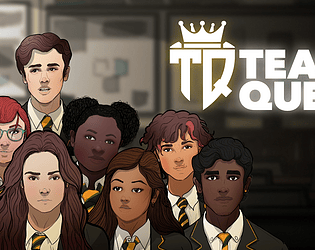
TeachQuest- A game about Teacher Recruitment - Designer and User researcher
- Paper prototyping TeachQuest
- Postmortem on design and user research of TeachQuest
- Presentation on the design lessons from designing a recruitment game
- Upcoming: Paper on motivations and barriers towards a game-based recruitment tool for recruitment
- Exploring Player Experience Factors for Designing Persuasive Recruitment Games (lead Author Joe Cutting)
- Digital innovations in teacher recruitment: An experimental study (lead author Rob Klassen)
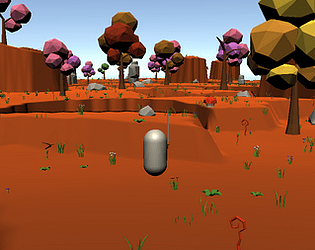
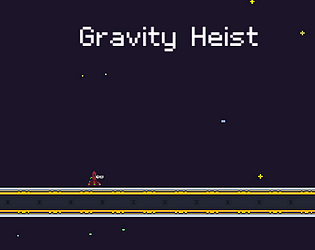
Gravity Heist- a short puzzle platformer game - Designer and User research
Gravity Heist was developed initially for practice and learning Unity, however I later amended the use of Gravity Heist to act as a control subject in quantitative studies.
- Creating the Puzzles of Gravity Heist (TBD)
- Editing an existing game for survey research (TBD)